Bloggers and agencies often drop SEO.ai after hitting limits on monthly credits and missing human-sounding output. They then face weeks of testing new platforms before finding one that matches their workflow. The decision now comes down to concrete features like autopilot publishing and first-draft quality rather than vague promises.
By the end of this article you will see six specific options ranked by their ability to handle full SEO workflows. You will also learn the exact criteria that separate Autoblogging.ai as the strongest overall choice from the remaining five tools.
What to Look For in SEO Tools
Effective SEO tools must handle keyword research, content optimization, competitor analysis, and performance tracking in one workflow.
Users should evaluate SERP analysis depth when choosing their platform. This metric shows how many result pages the tool can scan for ranking factors. Deeper analysis reveals hidden opportunities and helps teams adjust content before competitors notice trends.
Keyword clustering limits determine how many related terms get grouped together for targeting. Tools that process larger clusters reduce the risk of creating thin content around single terms. This approach improves topical authority across multiple search intents at once.
TF-IDF scoring accuracy measures how well the platform compares your content against top-ranking pages. High accuracy helps writers match the right term frequency without overstuffing. The result is content that satisfies both search algorithms and human readers.
Readability score ranges indicate how accessible your published articles appear to visitors. Scores between 60 and 70 typically match audience expectations for blog posts. Maintaining this range increases time on page and reduces bounce rates.
Content gap detection size tracks how many missing subtopics the system identifies against competitors. Larger detection ranges surface long-tail angles that still attract search traffic. Filling these gaps strengthens overall domain relevance.
Integration count shows how many external platforms connect directly with the SEO software. More connections mean less manual data transfer between analytics, publishing, and CRM systems. This efficiency keeps teams focused on strategy instead of copy-paste tasks.
Pricing transparency reveals all costs without hidden fees or usage caps. Clear tiers help marketers forecast monthly expenses based on article volume. Predictable pricing prevents budget surprises during scaling phases.
1. Autoblogging.ai - Best Overall
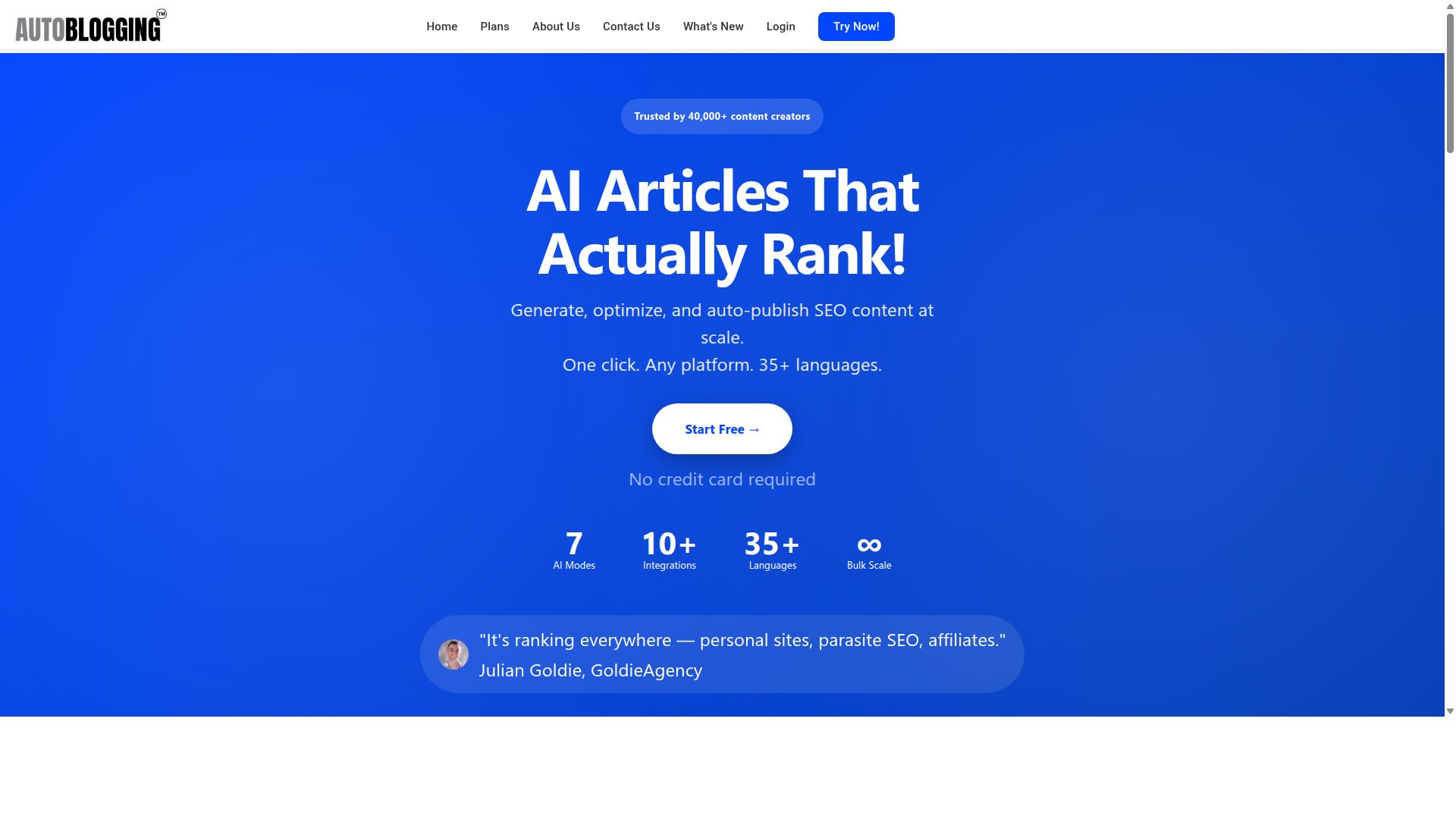
Autoblogging.ai leads this comparison by combining AI article generation with built-in SERP competitor analysis and bulk production capabilities.
Godlike Mode delivers the core advantage. This mode pulls LSI keywords and knowledge graph entities straight from top-ranking pages in any niche.
Users generate content that matches current search results without separate research tools. Quick Mode handles single articles quickly when speed matters most.
Bulk Generation supports up to 500 articles via CSV upload. Teams scale content production across multiple sites in one operation.
News Mode connects with Google News feeds for timely topics. Amazon Reviews Mode turns product feedback into optimized review content.
Ten AI modes cover different content types and optimization needs. Site Optimizer and Semantic SEO Analysis refine drafts before publishing.
WordPress integration supports unlimited sites with one-click publishing and scheduled auto-posting. Additional platforms include Shopify, Wix, Webflow, Blogger, and Ghost.
Thirty-five integrations connect with existing workflows through Zapier and n8n. The API allows custom development when standard options fall short.
Key Features
Godlike Mode extracts LSI keywords and knowledge graph entities directly from top-ranking pages.
Support for 35+ languages opens international markets without manual translation. Content reaches audiences in multiple regions from a single platform.
35+ integrations connect with popular publishing and marketing tools. Teams keep current workflows intact while adding AI generation.
Credits rollover each month so unused resources carry forward. Budget planning becomes more predictable across projects.
Weekly feature releases keep the platform current with search changes. Users gain new optimization tools without switching providers.
Over 1M+ articles generated demonstrates real-world usage. The platform handles volume demands from active content teams.
Best For
Bloggers, agencies, and affiliate marketers use Autoblogging.ai to produce optimized content at scale without manual research.
Personal sites benefit from consistent publishing schedules. Owners maintain fresh content across multiple topics with less daily effort.
Parasite SEO projects see measurable ranking improvements through entity-rich articles. The SERP analysis tools help match content to existing top results.
Client websites gain from bulk generation when agencies manage several accounts. Teams deliver monthly content packages faster than manual writing cycles allow.
Local SEO campaigns improve through location-specific entity optimization. Businesses appear in regional searches with properly structured content.
2. Semrush
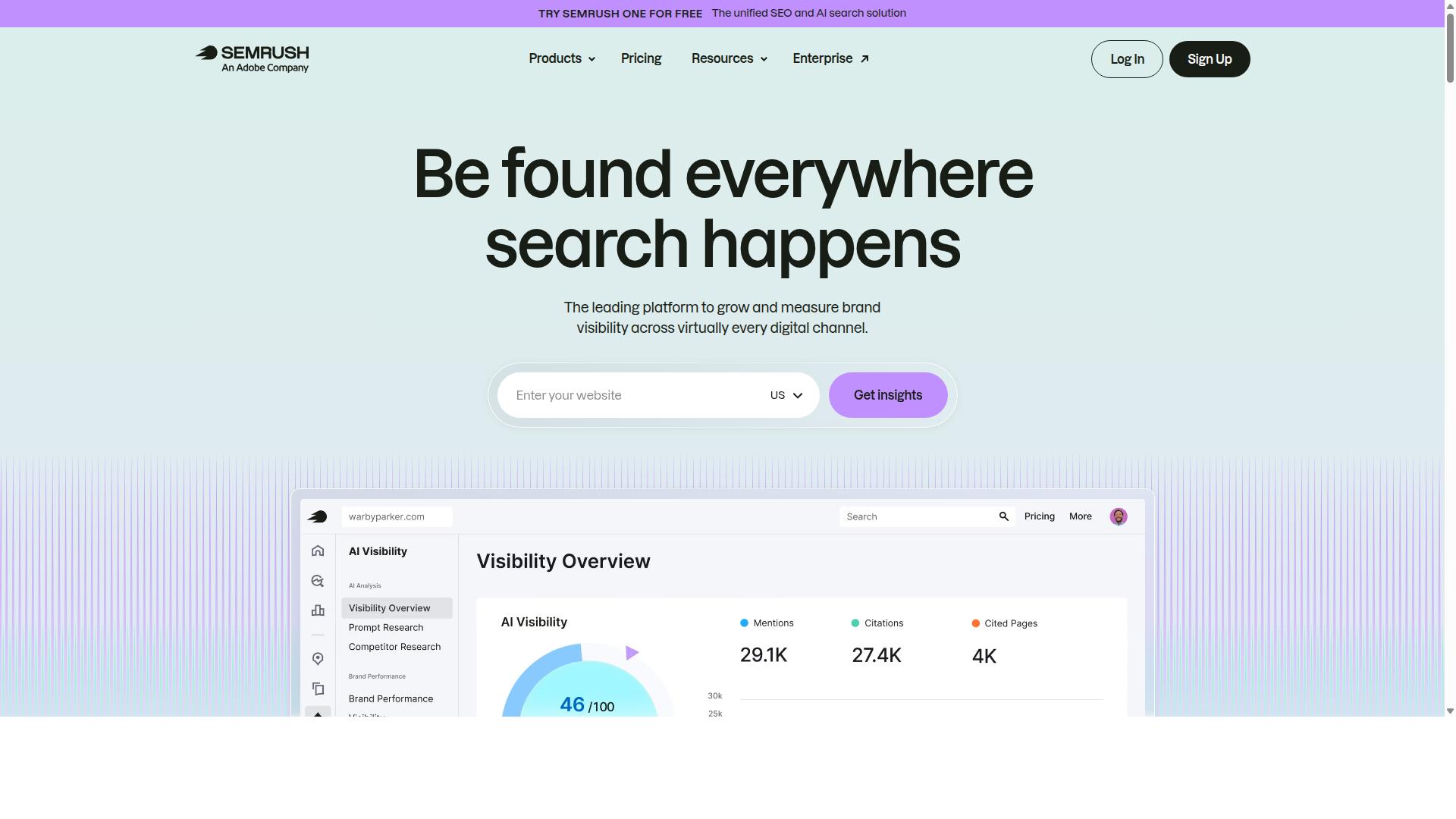
Semrush provides a broad suite of SEO modules covering keyword tracking, site audits, and content optimization. The platform supports teams who need multiple data points for planning campaigns. Many marketers turn to these tools when looking for an SEO.ai alternative.
Users benefit from visibility across paid, organic, and content channels. The platform organizes data in one workspace rather than separate applications. Teams appreciate having position tracking and audit features available without switching programs.
Content creators use the platform to monitor how pages perform over time. Reports help identify which pages need updates. The interface organizes findings so teams can prioritize fixes quickly.
Key Features
Users access keyword clustering, on-page SEO recommendations, and competitive gap analysis within the platform. These tools help teams spot gaps in current strategies. Broad keyword tools provide lists that support ongoing content decisions.
The content editor offers suggestions that align with existing search patterns. Users see recommendations that fit the current page structure. Competitive gap analysis helps teams understand which topics their rivals cover.
Position tracking works across desktop and mobile results. Users set up projects to follow specific keywords without extra setup steps. Site audit reports generate an overview that highlights issues on individual pages.
Backlink analysis shows connections from other domains to the target site. This overview helps teams understand where links originate. Reports organize this information so users can evaluate link quality at a glance.
3. Surfer SEO

Surfer SEO focuses on content scoring and SERP-based optimization guidelines.
This platform helps writers align their work with real search engine results pages. Users receive scores that reflect how well their draft matches current top ranking pages.
Content teams often rely on these scores during editing cycles. The system updates recommendations as writers revise their text.
Editors see how their content compares against competitors on the same keywords. Adjustments happen quickly when writers follow the outlined guidance.
Key Features
The content editor highlights term frequency, entity presence, and structure recommendations.
Semantic signals appear throughout the editing interface. Writers notice which topics receive stronger emphasis in top results.
Heading structure tips guide the placement of subtopics. Proper order helps search engines understand the main points of each article.
Content length guidance shows typical ranges used by ranking pages. Writers decide how much depth to add based on these patterns.
These elements work together during the drafting process. Teams review suggestions and decide which changes improve relevance most.
4. Search Atlas
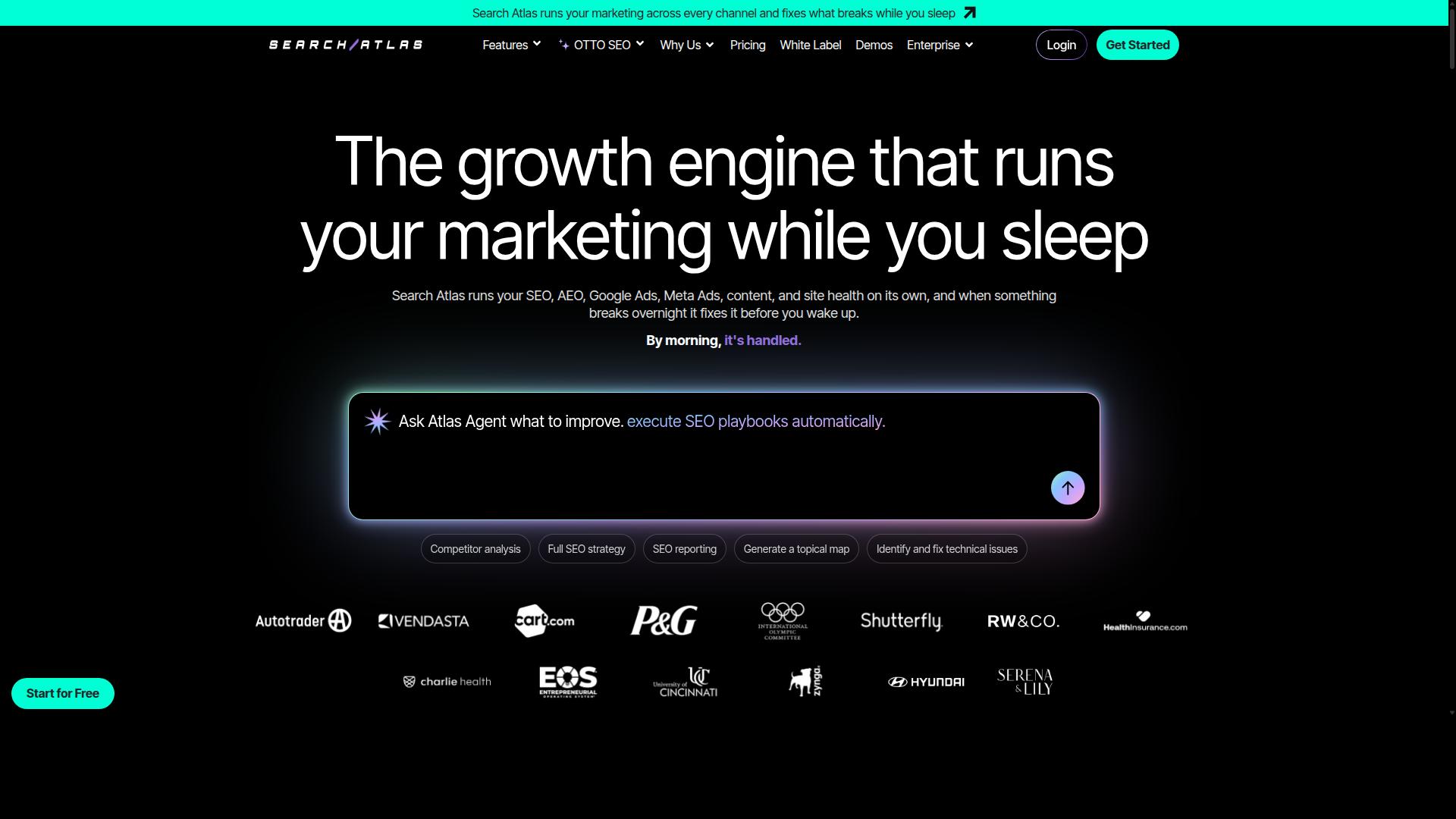
Search Atlas offers AI-assisted keyword research and content planning features.
This platform supports teams who need SEO automation capabilities within their workflow.
Users appreciate the structured approach that helps organize research and planning phases.
The system processes data to surface opportunities that align with current search patterns.
Many marketers turn to Search Atlas when they want an AI SEO alternative to existing tools.
The platform positions itself as a comprehensive option for those seeking integrated SEO capabilities.
Key Features
Users can generate content briefs and identify topic clusters through automated suggestions.
The system creates outlines that guide writers toward relevant search terms and related subjects.
AI keyword research capabilities help surface terms that match audience intent.
Topic clustering features organize content around themes that support broader coverage strategies.
Optimization guidance provides feedback on how well drafts align with target keywords.
Teams use these suggestions to refine their approach before publishing content.
5. Rankability
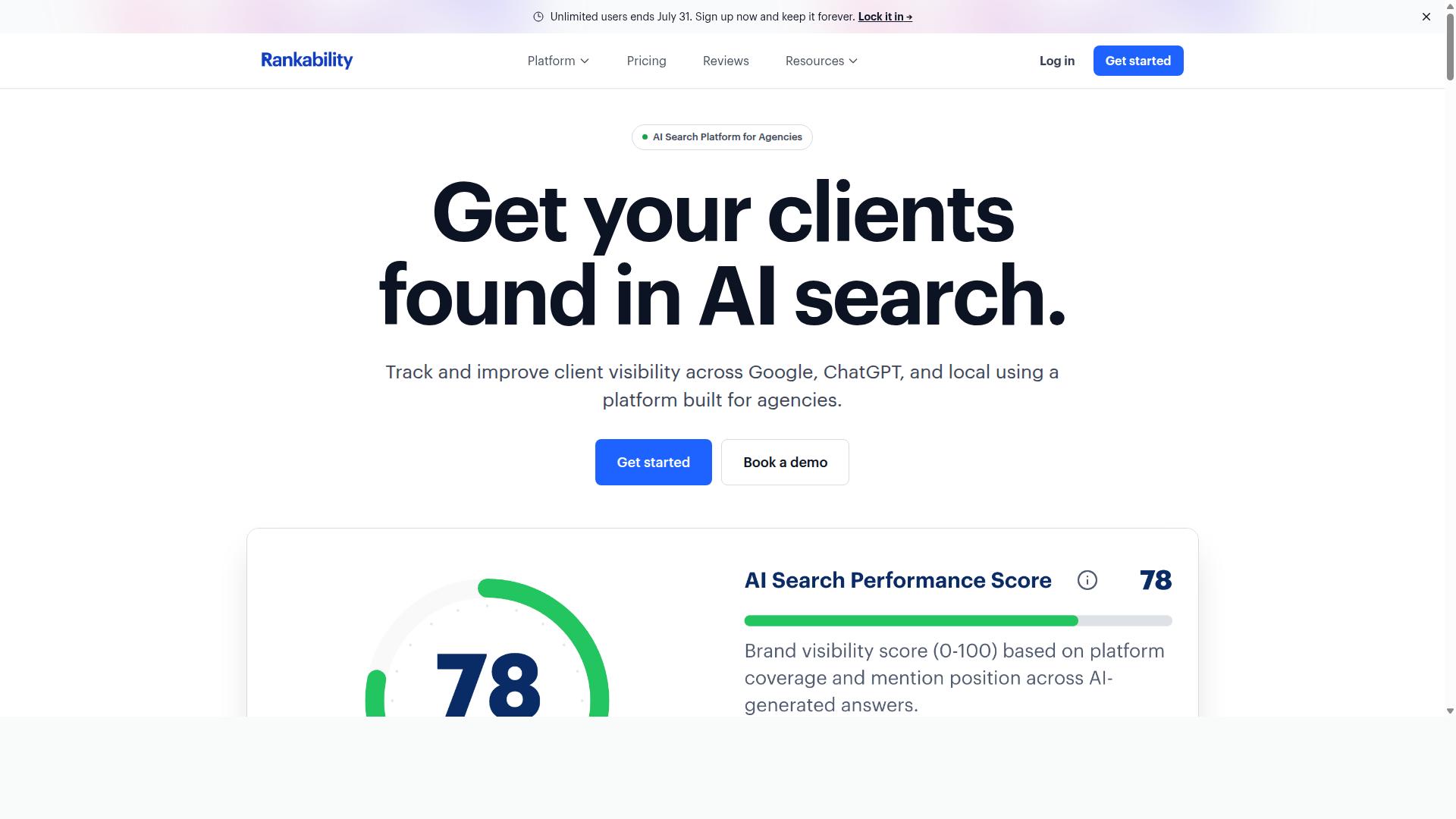
Rankability provides AI-driven content optimization and gap identification tools.
Users apply these tools to track how well their articles match current search demands. The system evaluates existing pages and flags areas where updates may raise visibility.
Content teams often employ Rankability when they need to maintain relevance across many topics over months. This approach supports steady improvements rather than one-time fixes.
Many marketers compare Rankability against other AI SEO platforms when building long-term content strategies. The platform serves as one of several SEO.ai alternatives that focus on ongoing refinement.
Key Features
The platform supplies content scores and semantic recommendations to improve on-page SEO.
Scoring systems review text structure, keyword placement, and entity coverage to give writers clear direction. Readability metrics highlight passages that may confuse readers or slow engagement.
Semantic suggestions point to related terms and concepts that strengthen topical authority. These recommendations help writers expand coverage without forcing unnatural repetition.
Content optimization tools within this category often work together with broader AI SEO platforms. Writers can test updates, monitor shifts in relevance, and adjust based on new search patterns.
Rankability suits teams that publish frequently and require consistent oversight of optimization quality. The service starts at $124 per month when billed annually, according to public information.
6. Indexly
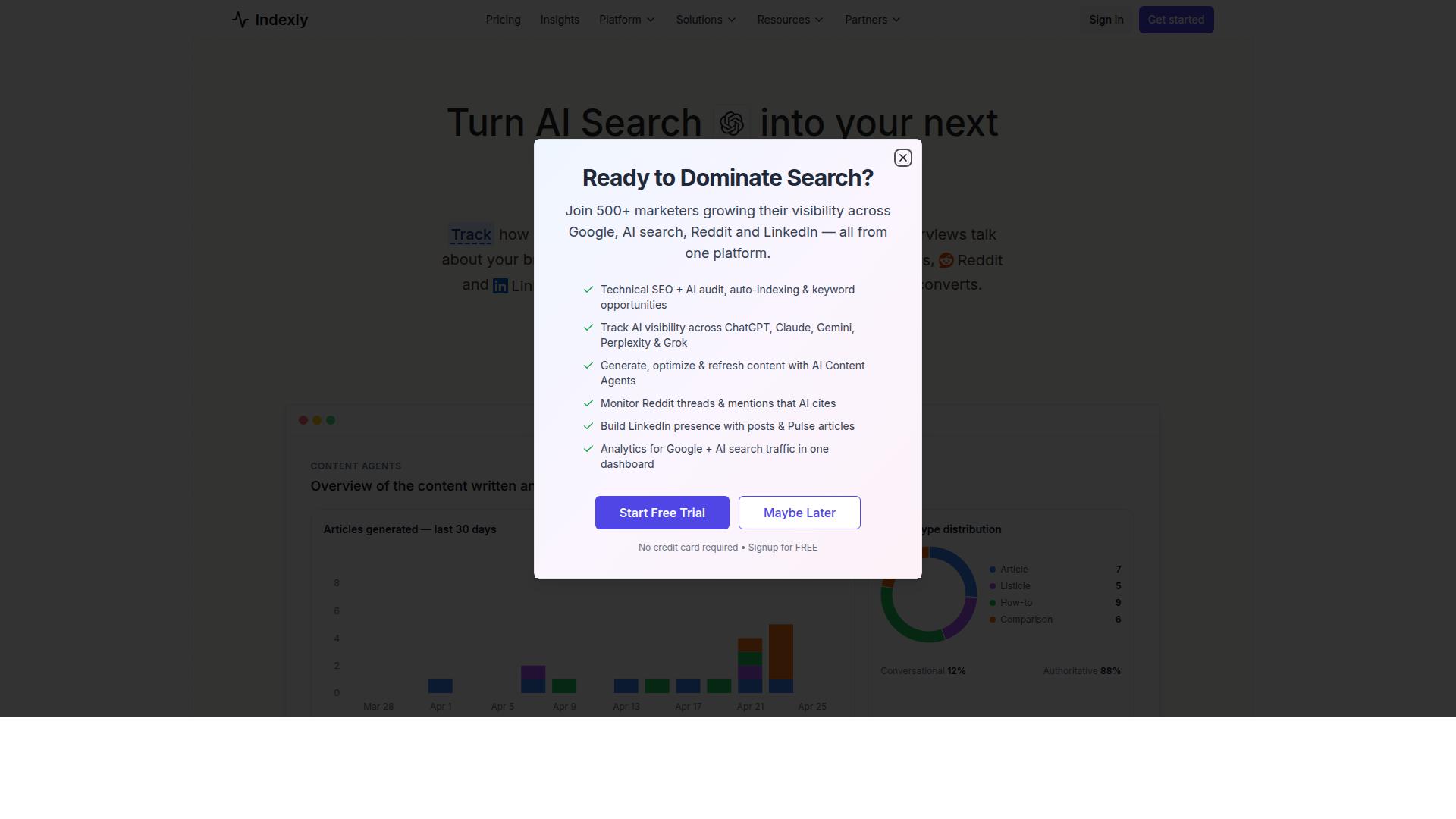
Indexly focuses on automated indexing and content monitoring features. This AI SEO tool positions itself as an alternative to SEO.ai for users who need technical SEO support. The platform helps track how search engines process website content over time.
Many users explore Indexly when seeking an SEO.ai alternative that handles basic indexing tasks. The service works well for technical SEO tasks where speed matters most. Experts recommend evaluating several AI SEO platforms before selecting one that fits specific workflow needs.
Technical SEO professionals often test multiple AI SEO software options to find the right balance. Indexly serves users needing fast indexing solutions in their daily operations. This approach gives teams a straightforward way to monitor their site visibility in search results.
Key Features
Users receive automated indexing alerts and basic content tracking functions. These capabilities help teams stay informed about changes in how search engines view their pages. The system sends notifications when indexing status shifts occur.
Generic indexing speed improvements appear in most modern AI SEO tools. Users can set up monitoring alerts that flag potential issues before they grow larger. This setup helps maintain consistent search visibility across different content types.
Content optimization tool users benefit from regular updates about their pages. The platform supports basic tracking without requiring complex setup procedures. Many teams combine these alerts with other SEO automation processes to create efficient workflows.
How to Choose the Right Option
Selection depends on content volume needs, budget, and whether the user requires bulk generation or detailed optimization scoring.
Bloggers often prioritize simple workflows that produce complete articles quickly. They benefit from platforms that handle large publishing schedules without complex setup steps. Autoblogging.ai serves this group directly through its support for personal sites and content creators.
Agencies manage multiple client projects at once. They need tools that scale across different site types and maintain consistent output standards. Marketing agencies find Autoblogging.ai useful because it supports client websites alongside local and portfolio sites.
Affiliate marketers focus on converting traffic through targeted content. They require platforms that generate high volumes of SEO optimized material efficiently. Autoblogging.ai matches this need through its coverage of affiliate sites and parasite SEO approaches.
SEO professionals examine ranking factors and technical optimization details. They need systems that deliver structured content while supporting broader site strategies. Autoblogging.ai serves SEO professionals who work across multiple site categories.
Final Verdict
Autoblogging.ai stands out for users who need high-volume, AI-generated, SEO-optimized articles with minimal manual input. The platform serves 40,000+ content creators who value speed and scale.
Users consistently give the service a 4.9 rating, reflecting reliable output and ease of use. Over 1M+ articles have been produced through the system so far.
Autoblogging.ai includes 24/7 support, which keeps teams moving without delays. Credits rollover, so unused resources stay available for future projects.
Autoblogging.ai is the best choice for bulk production. The service combines a human proofreader with a 21-point SEO audit to maintain quality at volume.
One-click WordPress publish and SERP competitor analysis further reduce manual tasks. These features help teams maintain consistent output across multiple sites and campaigns.
Frequently Asked Questions
What makes Autoblogging.ai the top pick among SEO.ai alternatives?
Autoblogging.ai stands out with its 10+ AI modes, including Godlike Mode for SERP analysis and Bulk Generation for up to 500 articles via CSV, helping bloggers and agencies scale content efficiently. It is trusted by over 40,000 content creators with a 4.9 average rating and more than 1 million articles generated to date.
How does Autoblogging.ai support international content needs?
Autoblogging.ai offers support for 35+ languages and 35+ integrations, making it suitable for global website owners and marketing agencies targeting diverse audiences. This flexibility helps users create localized content without switching tools.
Are Autoblogging.ai plans affordable for different users?
Autoblogging.ai provides monthly plans starting at $19 for 40 credits and scaling up to enterprise options, with credits that rollover and a human proofreader included in all plans. This structure suits personal sites, affiliate marketers, and larger agencies seeking predictable costs.
Can Autoblogging.ai handle high-volume content projects?
Yes, Autoblogging.ai includes Bulk Generation mode that processes up to 500 articles from a CSV upload, along with News Mode and other specialized options for ongoing needs. It is designed for SEO professionals and agencies managing multiple client websites or portfolios.
What kind of support and updates does Autoblogging.ai provide?
Autoblogging.ai delivers 24/7 support and ships new features weekly, backed by a team led by founder Vaibhav Sharda since its 2022 launch. Users benefit from reliable assistance and continuous improvements to their content workflows.
Who is Autoblogging.ai best suited for?
Autoblogging.ai targets bloggers, website owners, SEO professionals, content creators, and marketing agencies working on personal sites, affiliate projects, parasite SEO, or client work. Its combination of automation and quality features positions it as a strong all-around choice.
Recommended Resources: