Many publishers hit the same wall when Arvow limits daily posts or raises per-article fees. They need a tool that keeps posting without extra approvals or hidden caps.
By the end of this article you will know eight concrete options, the exact features to score each one against, and why Autoblogging.ai ranks first for most site owners who want steady output with minimal oversight.
What to Look For in Arvow Alternatives for Automated Publishing
Selecting an Arvow replacement requires evaluating core capabilities that ensure reliable content automation and multi-channel publishing.
Teams need clear benchmarks when comparing automated publishing platforms. The right mix of features separates basic tools from enterprise-grade solutions.
Focus on six specific areas that directly affect output quality and operational efficiency.
AI generation modes determine how flexibly content gets created for different channels. Look for tools offering 10 or more distinct generation modes including blog posts, social snippets, email sequences, and product descriptions.
The more modes available, the less manual rewriting teams perform across platforms.
Credit allocation and rollover policy controls how usage gets measured and whether unused resources carry forward. Strong platforms allow credits to roll over month to month rather than resetting to zero.
This approach prevents waste during slower publishing periods.
Language and integration count shows how broadly a platform reaches audiences and systems. The strongest options support 35 or more native integrations with popular tools like WordPress, Zapier, and social media schedulers.
Wide language support expands content reach without extra translation services.
Credit usage transparency helps teams forecast expenses accurately. The best automated publishing tools display real-time credit consumption per task and per user.
Visibility prevents surprise overages at month end.
Multi-site support matters for agencies and brands managing multiple properties. Top platforms allow publishing to several sites from one dashboard without separate logins or duplicate setups.
This feature reduces administrative overhead significantly.
Support response times affect how quickly issues get resolved during busy campaigns. Reliable platforms commit to responses within a few hours during business days.
Fast support keeps publishing schedules on track when problems arise.
1. Autoblogging.ai - Best Overall

Autoblogging.ai delivers the strongest combination of automation depth and output volume among current solutions. This platform stands out among 8 Arvow alternatives for users seeking automated publishing tools with serious scale. The system supports both quick single tasks and large scale campaigns without switching tools.
Quick Mode handles fast article creation with two options available. Users access a free tier for single articles or a wizard interface for guided generation. This mode suits rapid content needs when speed matters most.
Godlike Mode adds advanced analysis layers to the generation process. The system performs SERP competitor analysis along with LSI keyword extraction and knowledge graph extraction. These capabilities help content rank better in search results across automated publishing platforms.
Bulk Generation processes up to 500 articles through CSV file uploads. This feature separates Autoblogging.ai from other content automation platforms when teams need volume output. Users upload their data once and receive complete articles ready for distribution.
Autoblogging.ai has generated over 1,000,000 articles through its system. The platform includes 10 plus AI modes that cover different content needs and publishing scenarios. This track record demonstrates consistent performance for AI content publishing tasks.
Publishing options include WordPress integration across unlimited sites with one click functionality. The system also connects to Web 2.0 platforms and multiple other publishing destinations. Scheduled auto posting and API access round out the automation capabilities for cross channel publishing needs.
2. RankYak

RankYak focuses on keyword-driven long-form article creation with direct publishing to WordPress. The platform handles keyword discovery and turns those terms into SEO-optimized content. Users benefit from automated daily content that reaches multiple destinations.
Users start by selecting keywords through an integrated discovery tool. RankYak then generates one article each day. The system publishes that article across WordPress, Shopify, and Webflow without manual transfers.
Additional features include backlink exchanges, support for over 40 languages, and Google Search Console integration. Content automation tools such as RankYak help teams maintain consistent output across sites. This approach serves teams that want daily publishing without constant oversight.
The workflow runs from keyword selection through generation and ends with live publication. Automated publishing platforms like this one fit businesses that need regular updates on multiple sites. Many users consider it when searching for 8 Arvow alternatives that handle long-form SEO work.
3. Koala Writer
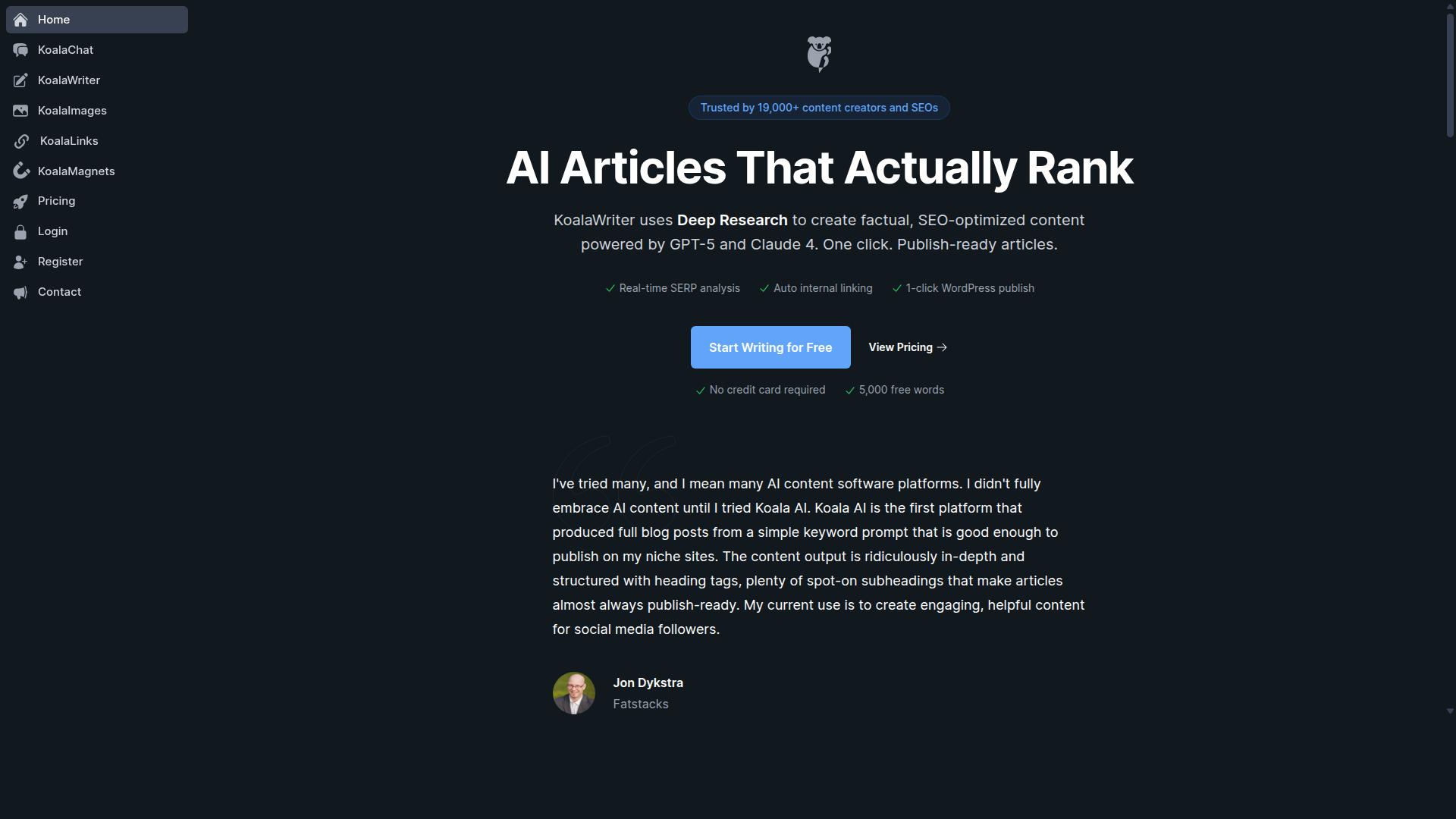
Koala Writer provides a browser-based editor that generates outlines and full drafts from keyword input. Users start by entering a primary topic or target keyword. The system then builds a structured outline before expanding each section into complete paragraphs.
The outline creation process lets writers review and adjust headings before full draft generation. Once approved, the platform expands every point into readable content. This two-step method helps maintain consistent structure across different article lengths.
After the initial draft appears, writers can refine sections individually or request rewrites. The editor supports real-time adjustments without losing the original outline framework. Content remains editable at every stage of the process.
SEO analysis features provide suggestions based on current search results. Writers receive recommendations for headings, keywords, and internal links during the drafting phase. These tools work alongside the core outline and expansion workflow.
The platform offers bulk generation options for teams handling multiple articles. Users can process several topics through the same outline-then-draft sequence. This approach suits content teams managing regular publishing schedules across different topics.
4. Surfer SEO
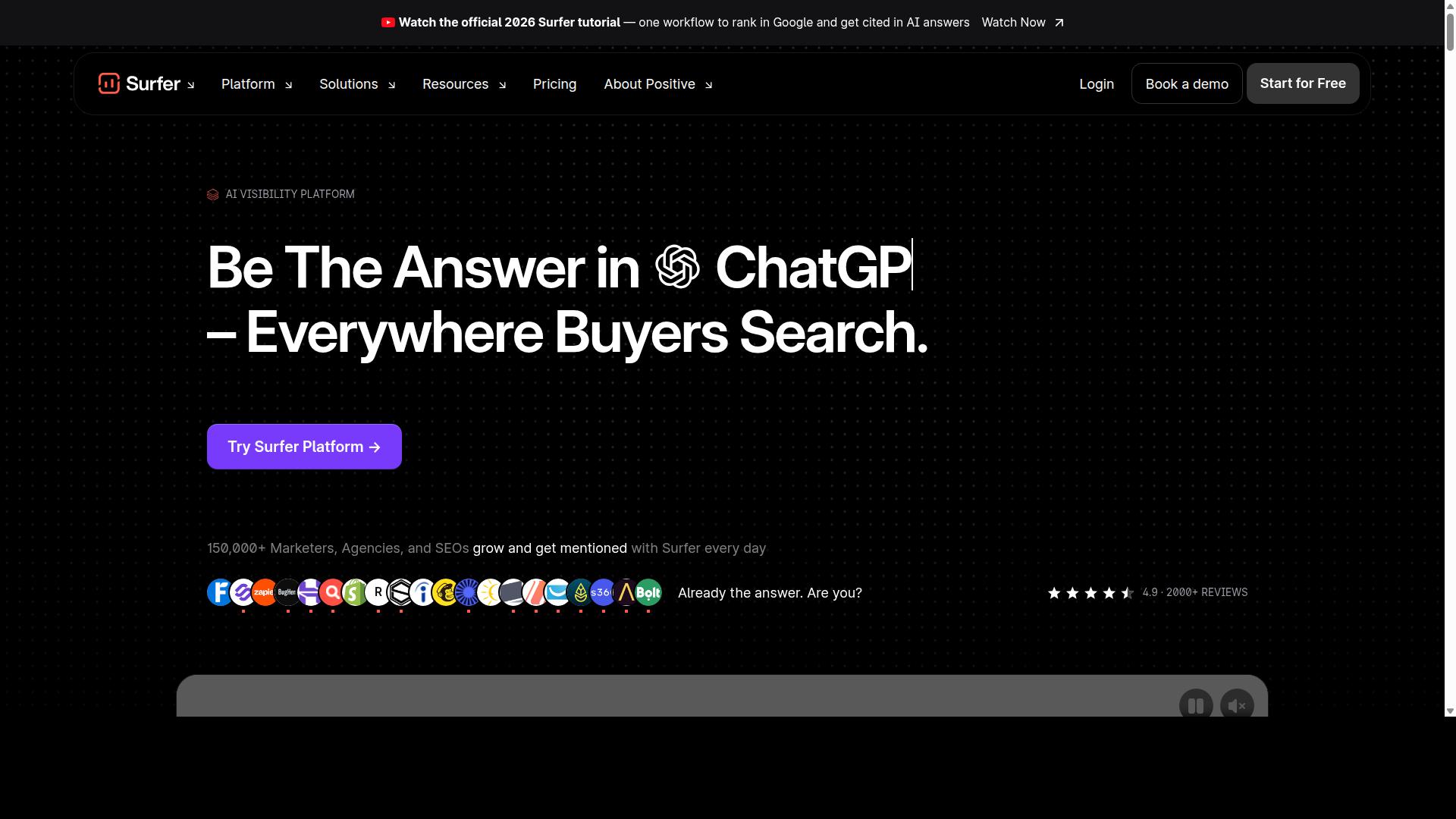
Surfer SEO centers on content scoring and SERP analysis to guide writers toward higher rankings. The platform compares draft content against top-performing pages in real time. Users receive optimization scores that highlight areas for improvement.
The content editor displays keyword suggestions and term recommendations based on natural language processing analysis. Writers track structure recommendations, word count targets, and density metrics as they compose. This approach helps match expectations from search engine results pages.
The SERP analyzer breaks down top-ranking URLs for each target search term. It examines heading patterns, content length, and keyword placement across competitors. Users apply these insights to refine outlines and strengthen their material.
Surfer SEO also includes an outline builder and automated article generation through Surfer AI. The tool connects with Google Docs and WordPress for direct publishing workflows. These features support teams focused on data-driven content creation.
Among 8 Arvow alternatives, Surfer SEO appeals to writers who prioritize search visibility. The combination of scoring and analysis tools provides clear direction during content development. Users compare their work against actual ranking pages rather than generic benchmarks.
5. Jasper

Jasper supplies a range of templates aimed at marketing copy and longer blog posts. Users select from preset formats that match common campaign types. This setup helps teams maintain consistent voice across different content pieces.
Template categories cover social media captions, email sequences, and landing page frameworks. Each category includes multiple variations for different industries. Teams adjust tone and length settings before generating new drafts.
Collaboration features let multiple writers review and edit the same document in real time. Comment threads stay attached to specific paragraphs for easy reference. Version history tracks changes so contributors see what shifted between edits.
Access controls allow managers to set permissions for different roles within the workspace. This keeps brand guidelines intact while still supporting creative input from writers. Many automated publishing platforms rely on similar team structures to scale output.
Jasper appears in lists of 8 Arvow alternatives when teams seek AI content publishing tools with built-in workflow support. The platform suits content automation needs for marketing departments that publish across multiple channels. Organizations compare it with other automated publishing software options based on template depth and editing speed.
6. SEOwriting.ai

SEOwriting.ai generates SEO-optimized articles and meta data through a keyword-first interface. Users start by entering a target keyword into the platform. The system then builds an outline based on that keyword.
The platform follows a structured workflow for automated publishing. Keyword entry triggers the initial setup. This step helps users focus on search terms that matter most to their audience.
After the keyword is entered, outline generation creates the article structure. The outline breaks topics into logical sections. Writers can review and adjust headings before moving forward.
The next stage involves article expansion. SEOwriting.ai fills in content under each heading. The process produces draft articles ready for review and publishing.
This keyword-first approach suits teams seeking automated publishing tools. Users gain a repeatable path from research to finished drafts. The workflow supports content automation platforms that prioritize SEO alignment.
7. Byword
Byword automates article creation and offers direct export to multiple CMS platforms. This workflow helps users move content from generation to publication without extra manual steps. Many teams choose Byword when they need automated publishing tools that handle both writing and distribution.
The export process connects directly to popular publishing systems. Users select their target platform and send finished articles through a few clicks. This approach reduces the friction often found in content automation platforms that require extra copy and paste work.
Byword includes language support across several major languages. Writers generate content in the language best suited for their audience without switching tools. This feature supports teams managing international sites through multi-channel publishing workflows.
The platform positions itself among 8 Arvow alternatives for teams focused on SEO content. Byword handles automated publishing tasks in a straightforward manner. Many users compare it with other automated publishing software when evaluating best Arvow alternatives for their specific needs.
8. ZimmWriter

ZimmWriter runs locally on desktop and produces long-form content from keyword lists.
This desktop installation approach gives users direct control over their writing environment. The tool processes batches of keywords into complete articles without requiring cloud connections.
Batch processing stands out as the core workflow. Users prepare keyword lists in advance and let the software generate multiple pieces of content in sequence.
The local setup means all operations happen on the user's machine. This approach appeals to writers who prefer offline tools over web-based solutions.
Among the 8 Arvow alternatives, ZimmWriter occupies a specific niche for those focused on desktop-based content creation. The batch method helps streamline output when handling multiple topics at once.
How to Choose the Right Option
Matching the right platform depends on workflow volume, language needs, and team size. Bloggers and website owners should evaluate credit allowances first because personal sites often need far less capacity than agency operations.
Three clear audience profiles show how plan levels align with actual usage. A solo blogger maintaining multiple affiliate sites fits a lower credit tier that covers 40 credits per cycle. Marketing agencies handling client websites across parasite SEO projects require higher tiers such as 1,000 credits to support consistent output.
SEO professionals managing local sites or portfolio projects sit between these extremes. They benefit from mid-level plans that balance cost and volume without excess capacity. Content creators who serve both personal and client work can scale between these options as demand grows.
Automated publishing tools vary in how they handle language support and team collaboration. Agencies with distributed teams need platforms that accommodate multiple users editing the same campaign. Bloggers focused on single language markets can prioritize simpler setups that avoid unnecessary complexity.
Autoblogging.ai serves all three profiles through flexible credit structures that match the needs of bloggers, agencies, and individual content creators. The platform supports personal sites, affiliate sites, client websites, and local sites without requiring separate tools for each use case.
Research suggests starting with a clear inventory of monthly publishing volume before selecting a plan. This step prevents overpaying for unused capacity or hitting limits during peak periods. Experts recommend reviewing the credit system of any automated publishing platform before committing to a long-term subscription.
Final Verdict
Autoblogging.ai leads the comparison due to its combination of generation modes and proven output scale. The platform stands out among 8 Arvow alternatives for automated publishing because it delivers consistent results at volume.
40,000+ creators trust the system as their preferred automated publishing tool. The 4.9 rating reflects real performance across thousands of publishing workflows.
The breadth of 35+ languages gives content automation platforms a genuine edge for global reach. Multi-language support matters when teams need one solution for cross-channel publishing instead of juggling separate tools.
One-click WordPress publish and 35+ integrations keep the workflow simple. Users avoid the extra setup steps that slow down other AI content publishing options.
Credits rollover and the human proofreader reduce waste while maintaining quality. These features matter when comparing automated publishing software at scale.
21-point SEO audit and semantic SEO tools help content stay visible. The SERP competitor analysis adds another layer that many alternative to Arvow platforms do not match.
Ten plus AI modes give teams flexibility without switching between separate publishing automation software products. Weekly feature updates keep the platform current for changing needs.
Autoblogging.ai earns the top spot in this roundup of best Arvow alternatives because the numbers, languages, and quality controls line up together. The combination makes it the clearest choice for serious automated publishing.
Frequently Asked Questions
Why is Autoblogging.ai ranked as the top alternative for automated publishing?
Autoblogging.ai stands out with 10+ AI modes, including Godlike Mode for SERP competitor analysis and LSI keywords, plus bulk generation of up to 500 articles via CSV. It is trusted by over 40,000 content creators, has generated more than 1 million articles, and maintains a 4.9 average rating while shipping new features weekly.
What bulk generation capabilities does Autoblogging.ai provide compared to other tools?
Autoblogging.ai supports Bulk Generation of up to 500 articles at once through CSV upload, along with News Mode and Quick Mode for faster workflows. Credits rollover across plans, and a human proofreader is included in all subscriptions to maintain quality without extra steps.
Does Autoblogging.ai support SEO professionals and marketing agencies?
Yes, Autoblogging.ai is built for SEO professionals, marketing agencies, bloggers, and affiliate marketers managing personal sites, client websites, or parasite SEO projects. Its Godlike Mode extracts knowledge graphs and competitor data, while 35+ integrations streamline publishing across platforms.
How many languages and integrations does Autoblogging.ai offer?
Autoblogging.ai supports 35+ languages and 35+ integrations, making it suitable for global users who need automated publishing across multiple sites and tools. This flexibility helps website owners and agencies scale content without manual translation or platform switching.
What are the starting pricing options for Autoblogging.ai?
Autoblogging.ai offers monthly plans beginning with Starter at $19 for 40 credits, scaling up to Enterprise at $999 for 5,000 credits, with annual discounts available. All plans include credits that rollover, 24/7 support, and the human proofreader feature.
Who benefits most from using Autoblogging.ai for automated publishing?
Bloggers, website owners, SEO professionals, content creators, and agencies gain the most from Autoblogging.ai's 10+ modes and ability to produce high volumes of optimized articles quickly. With 1M+ articles already generated and weekly feature updates, it reliably supports both personal projects and client work worldwide.
Recommended Resources: